
My conservatory is my favorite room. Its where I have my morning coffee and unwind in the evening. But last winter, it became a battleground. The beautiful tiled floor was an ice rink by December, and any attempt to warm the space either did nothing or turned it into a stifling, expensive sauna. I was constantly chasing that sweet spot of comfort without the guilt of an enormous energy bill.
I decided to treat it like a hands-on experiment. I tested heaters, tweaked settings, and learned the hard way about heat loss. The goal wasn’t just warmth; it was sustainable, balanced warmth. For focused, immediate heat in a specific zone, Ive had good results with portable options like FLANUR Space Heaters. Theyre quiet and direct, which is perfect for taking the edge off while you read. But I quickly learned no single heater is the full solution for a tiled conservatory. The real answer is a layered strategy.
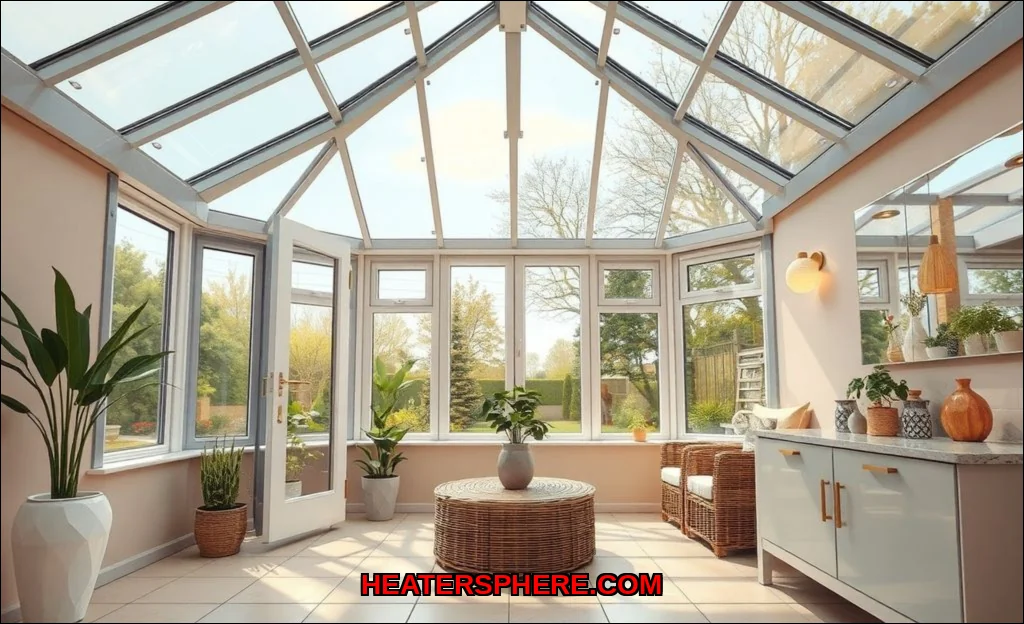
Why Tiled Conservatories Are So Tricky to Heat
You might think a heater is a heater. I did. But a glass room with a tiled floor plays by different rules. The tiles have high thermal mass. They absorb heat slowly and release it slowly. Sounds good, right? In theory, yes. But in practice, it means youre constantly pouring energy into warming the floor itself before the air feels comfortable. Its a huge heat sink.
Then theres the glass. Even with double glazing, its a terrible insulator. Heat escapes rapidly, creating a cycle where your heater works overtime. This leads to heat stratificationwhere warm air pools at the ceiling and your feet stay cold. Combine that with drafts, and you have a perfect storm for discomfort and waste. Its why finding the best heating system for a conservatory with tile flooring is less about power and more about strategy. It helps to understand making bathroom floors comfortable before spending anything.
The Hidden Factor Everyone Misses: Humidity & Solar Gain
Most articles talk about heaters and insulation. Full stop. But after living with mine, two other factors became glaringly obvious. First, humidity. A cold glass room condenses moisture like crazy. That damp chill makes you feel colder, regardless of the air temperature. Second, solar gain. On a bright winter day, the sun can passively heat the room to 25C by noon. Then it plummets to 10C by dusk. Managing this swing is key to preventing overheating when heating a glass room.
What I Tested: Heating Methods Compared
I tried a range of solutions over one particularly chilly season. Heres my honest, experiential breakdown.
Electric Heaters: The Quick Fix
I tested oil-filled radiators, ceramic fan heaters, and an infrared panel. The oil-filled radiator (a Dimplex model) was great for sustained, background heat. Silent and steady. But it took an age to warm the tiles. The ceramic heater blasted warm air fast, but it was noisy, dried the air, and felt localized. The infrared was fascinating. It warmed me and the solid objects directly, not the air. It felt instantly cozy on my skin but did little for the overall ambient temperature. For a deeper dive into electric options, I found this guide on which heater warms conservatories without overheating incredibly useful during my tests.
The Dream vs. The Reality: Underfloor Heating
This was my dream solution. Underfloor heating tiles address the cold floor problem at its source. I had a quote and everything. The pros are legendary: even warmth, no cold feet, and it works beautifully with the tile’s thermal mass. The cons? Significant upfront cost and installation hassle. For a retrofit, its a major project. If youre building new, its a no-brainer. For an existing space, its a commitment.
The Game-Changer: Preventing Heat Loss First
After wasting money heating the outdoors, I realized efficiency starts with retention. No heater can win against a drafty, uninsulated space.
- Thermal Curtains or Blinds: This was my single best investment. Heavy, thermally lined curtains create an insulating air barrier at night. The difference in retained heat was staggering.
- Draught Excluders: Simple, cheap, effective. I sealed the gaps around the doors to the house and the conservatorys own frames.
- Floor Rugs: A thick rug over the tiles in the seating area breaks the direct contact with the cold thermal mass. Your feet thank you immediately.
This focus on heat loss prevention made every heating method I used afterwards more effective. Its the foundation of energy efficient conservatory comfort. If that sounds like your room, read up on tips for cozy laundry spaces next.
My Top Picks for Balanced Warmth
So, whats the most efficient way to heat a cold tiled sunroom? Based on my experience, its a hybrid approach.
1. The Layered Defense System
Dont rely on one thing. Combine them.
- Primary Heat Source: For consistent, set-and-forget warmth, a low-wattage oil-filled radiator or underfloor heating is ideal. They work with the tiles, not against them.
- Secondary / Zoned Heat: This is where zoned heating comes in. Use a portable ceramic or infrared heater only where and when you need it. I only turn mine on when Im sitting in my chair for the evening. The rest of the room stays at a lower background temperature.
- Retention Layer: Thermal curtains drawn at dusk, rugs down, drafts sealed. Non-negotiable.
This system is how you achieve true conservatory warmth without overheating and without waste.
2. Smart Control is Everything
A programmable thermostat or smart plugs changed the game. I set the primary heater to come on an hour before I usually go in, taking the worst chill off. It turns off when the sun provides natural heat. This automation prevents that “forgotten-on” heater from cooking an empty room. Pair this with Thermostatic Radiator Valves (TRVs) if you have a radiator fed from your main system, to keep the conservatory on its own loop.
This principle of targeted warmth applies elsewhere, too. The strategies for heat retention tiled floors are similar in other cold spots, as explored in this piece on the best heaters for cold tiled hallways.
Seasonal Adjustments & Smart Habits
Winter conservatory comfort is dynamic. My summer sunroom and my winter lounge are technically the same room, but I treat them differently.
| Season | Key Action | Reason |
| Winter | Draw thermal curtains at dusk; use rugs. | Maximize heat retention, break thermal bridge with floor. |
| Sunny Winter Day | Open curtains fully; let sun passively heat. | Harness free solar gain, reduce heater runtime. |
| Summer | Use reflective blinds; ensure good ventilation. | Prevent greenhouse overheating, manage solar gain. |
I also make a habit of closing the door to the main house when the conservatory is being heated. It turns the space into its own zone, stopping cold air from circulating into the house and warm house air from being sucked out into the conservatory. For authoritative, broader advice on efficient home heating strategies, the Energy Saving Trust’s guide to heating your home is an excellent resource.
Warming a tiled conservatory is a puzzle of physics and habit. The tile floor is your friend and foeits thermal mass demands a thoughtful approach. Chasing the problem with a single powerful heater is expensive and ineffective. I found success starts with sealing up the leaks. Thermal curtains, draft excluders, and a good rug. Then, layer your heat: a gentle, consistent background source paired with a zoned booster for when youre actually using the space. Control it smartly. Embrace the sun when it shines. Its not about a single product or a hack. Its about building a system that respects the unique challenges of the space. Now, my conservatory is comfortably warm from the floor up, without the anxiety of the next energy bill. Thats a win.