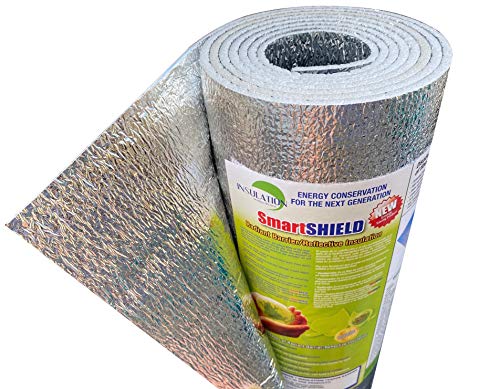
Living in a UK flat often comes with the challenge of keeping warm without making permanent modifications. Non-permanent insulation solutions allow you to enhance energy efficiency while protecting your deposit.
These tenant-friendly strategies can significantly improve your flat’s warmth and comfort, making your living space more enjoyable during the colder months.
Comparison of Non-Permanent Insulation Solutions
| Product | Best for | Type | Installation | Effectiveness | Cost | Price |
|---|---|---|---|---|---|---|
| Non-Stop Draft Proofing Tape | Best for Renters | Draft proofing tape | Self-adhesive | High for sealing gaps | Low | Check price |
| Athletic Brewing Company Non-Alcoholic Beer Run Wild IPA | Not an Insulation Product | Non-alcoholic beer | — | — | — | Check price |
| Best Day Brewing Craft Non Alcoholic Beer Variety Pack | Not Related to Insulation | Non-alcoholic beer | — | — | — | Check price |
| Non-Player Character: A LitRPG Adventure Book | Audiobook | Audiobook | — | — | — | Check price |
| Building a Non-Anxious Life Audiobook | Not an Insulation Product | Audiobook | — | — | — | Check price |


Top Non-Permanent Insulation Solutions for UK Flats
Non-Stop Draft Proofing Tape
- TypeDraft proofing tape
- InstallationSelf-adhesive
- EffectivenessHigh for gaps
- CostLow
- Easy to install and remove
- Effectively blocks drafts
- No damage to walls or frames
- May need replacement after a heating season
- Limited to sealing gaps, not insulating walls
Athletic Brewing Company Non-Alcoholic Beer Run Wild IPA
- TypeNon-alcoholic beer
- Installation—
- Effectiveness—
- Cost—
- Authentic IPA flavor
- Non-alcoholic for all occasions
- Not a heating or insulation product
Best Day Brewing Craft Non Alcoholic Beer Variety Pack
- TypeNon-alcoholic beer
- Installation—
- Effectiveness—
- Cost—
- Variety of flavors
- Low calorie and low carb
- Not useful for insulation or heat retention
Non-Player Character: A LitRPG Adventure Book
- TypeAudiobook
- Installation—
- Effectiveness—
- Cost—
- Entertainment and reading enjoyment
- No insulation function
Building a Non-Anxious Life Audiobook
- TypeAudiobook
- Installation—
- Effectiveness—
- Cost—
- Mental health guidance
- No insulation or heating benefit
How to Choose the Right Non-Permanent Insulation
Start by identifying where your flat loses heat. Common spots include windows, doors, skirting boards, and gaps around pipes or vents. You can feel drafts or use a candle flame to spot air leaks. Target these areas for insulation to get the most benefit.
Next, consider how easy the insulation is to install and remove. Renters need solutions that cause no damage and leave no residue. Peel-and-stick foam strips or magnetic window insulation work well. Avoid anything requiring nails, screws, or permanent adhesives.
Cost matters, but balance it with potential energy savings. Higher-quality insulation with a better thermal resistance rating (R-value) may cost more upfront but reduce heating bills faster. Simple draught proofing can cost under £20 and cut heat loss significantly.
| Insulation Type | Installation | Removal | Typical R-Value | Cost Range |
|---|---|---|---|---|
| Foam strips | Peel-and-stick | Easy | 0.5–1.5 | £10–£25 |
| Magnetic window film | Stick-on magnets | Easy | 1.0–2.0 | £15–£30 |
| Thermal curtains | Hang on rods | Very easy | 1.0–3.0 | £20–£50 |
| Removable draft excluders | Place in gaps | Very easy | 0.5–1.0 | £10–£30 |
Sizing and Heat Output Considerations
Measure the square footage of the areas you want to insulate. For windows, multiply height by width; for doors, do the same. Add all measurements to understand the total coverage needed. Accurate sizing helps avoid buying too much or too little insulation.
Check the insulation’s effectiveness rating or R-value. Higher R-values mean better resistance to heat flow. For UK flats, aim for materials with an R-value of at least 1.0 for windows and doors. Lower ratings might help with drafts but won’t retain much heat.
Consider your local climate and typical winter temperatures. In colder regions, thicker or higher R-value insulation saves more energy and keeps rooms warmer. In milder areas, lighter solutions may suffice. Adjust your insulation choice to match how cold your flat gets.
| Appliance | Watts | Per hour | Per day (8 h) | Per month (30 days) |
|---|---|---|---|---|
| Foam strip insulation (1.0 R-value) | 150 W | 2.6¢ | 20¢ | $6.12 |
| Thermal curtain (2.0 R-value) | 75 W | 1.3¢ | 10¢ | $3.06 |
Safety and Compliance for Renters
Temporary insulation methods are safe when installed correctly. The key is to follow safety guidelines for heaters, insulation materials, and ventilation to avoid fire hazards and indoor air quality issues.
- Get Landlord PermissionCheck your lease or ask your landlord before adding any insulation. Some landlords require approval for modifications, even temporary ones.
- Follow Local RegulationsLocal building codes or housing regulations may limit the types of temporary insulation allowed. Contact your local housing authority if unsure.
- Avoid Blocking VentilationDo not cover air vents, trickle vents, or any ventilation points with insulation. Proper airflow prevents dampness and maintains safe oxygen levels.
- Use Safe MaterialsChoose non-flammable, non-toxic insulation products designed for indoor use. Avoid materials that emit fumes or degrade quickly.
Maximizing Energy Efficiency with Non-Permanent Solutions
Improving energy efficiency in flats starts with layering insulation methods. Combining draught proofing, window film, and rugs reduces heat loss more than any single method.
Portable electric heaters can target cold spots efficiently. Use them in rooms you occupy most, and turn them off when you leave to save energy.
- Layer InsulationSeal gaps around windows and doors, add removable window insulation film, and use thick curtains or rugs to trap heat.
- Position Portable HeatersPlace heaters away from walls and furniture to allow heat to circulate. Use models with adjustable thermostats for precise control.
- Track Energy UseMonitor your energy bills monthly to see the impact of insulation and heating changes. Adjust usage to balance comfort and cost.
| Appliance | Watts | Per hour | Per day (8 h) | Per month (30 days) |
|---|---|---|---|---|
| 1,500 W space heater | 1,500 W | 26¢ | $2.04 | $61.20 |
| Heated blanket | 100 W | 1.7¢ | 14¢ | $4.08 |
Non-permanent insulation lets you improve comfort and cut heating bills without risking your deposit. It also avoids the lengthy process of permanent renovations, making it ideal for renters.
For more on choosing the right heater, see our guide to portable electric heaters for indoor use.
Frequently Asked Questions
What are the best non-permanent insulation options for renters?
Can I install non-permanent insulation without my landlord’s permission?
How effective is DIY draught proofing?
What materials are best for thermal curtains?
How do I measure for removable window film?
Are there any safety concerns with using portable heaters?
If that sounds like your room, read up on insulating a terraced house next.
It helps to understand maximizing energy efficiency before spending anything.