
Chronic pain can make cold nights unbearable. Electric blankets offer a soothing solution, providing warmth and comfort while helping to alleviate discomfort.
With various options available, it can be challenging to choose the right one. Our guide highlights the best electric blankets that cater specifically to chronic pain relief.
Electric Blanket Features Compared
| Product | Best for | Heat Settings | Auto Shut-off | Size | Price |
|---|---|---|---|---|---|
| greenoak Heated Blanket Electric Throw Misty Grey | Best Overall | 10 | 1/2/4/6/8 hours | 50″ x 60″ | Check price |
| Bedsure Heated Blanket Throw Grey | Fast Heating | 6 | 1/2/4/6/8/10 hours | 50″ x 60″ | Check price |
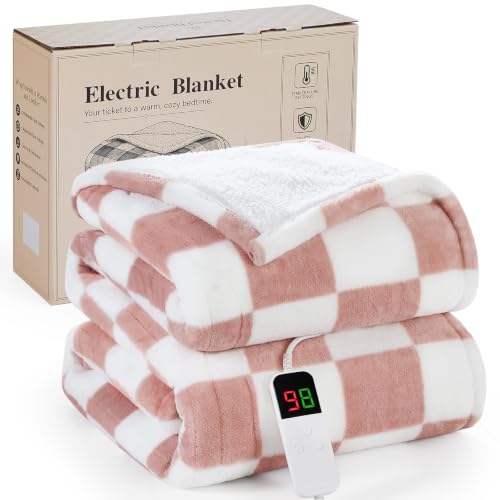
| RAYVOICE Pink Heated Blanket Electric Throw | Best for Style | 10 | 1,2,4,6,8 hours | 50″ x 60″ | Check price |
| Mlivrom Heated Blanket Electric Throw | Best for Simplicity | 5 | 10 hours | 50″ x 60″ | Check price |
| Poouthym Heated Blanket Electric Throw | Best for Plush Comfort | 5 | 10 hours | 50″ x 60″ | Check price |


Top Electric Blankets for Chronic Pain Relief
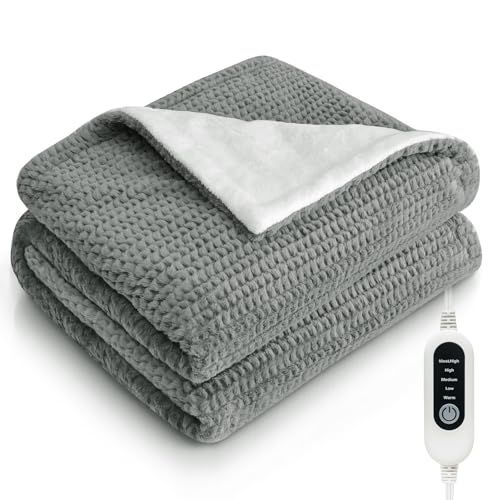
greenoak Heated Blanket Electric Throw Misty Grey
- Heat Settings10
- Auto Shut-off1/2/4/6/8 hours
- Size50″ x 60″
- Ten heat levels for customized warmth
- Soft, skin-friendly flannel and sherpa fabric
- 8-hour auto shut-off for safety
- Lightweight and flexible for multiple uses
- Requires careful handling of wires to avoid damage
- Machine wash but no tumble dry to protect heating elements
Bedsure Heated Blanket Throw Grey
- Heat Settings6
- Auto Shut-off1/2/4/6/8/10 hours
- Size50″ x 60″
- Fast, even heating with advanced wires
- Preheat function for quick warmth
- 6 timer settings up to 10 hours
- ETL and FCC certified for safety
- Limited to 6 heat settings
- Higher power use than some other throws
RAYVOICE Pink Heated Blanket Electric Throw
- Heat Settings10
- Auto Shut-off1,2,4,6,8 hours
- Size50″ x 60″
- 10 heat settings for precise control
- Attractive pink plaid design
- Fast heat coverage over 85% of blanket
- Multiple timer options
- Not recommended for machine washing
- Limited timer options compared to others
Mlivrom Heated Blanket Electric Throw
- Heat Settings5
- Auto Shut-off10 hours
- Size50″ x 60″
- Simple one-button control
- 5 heat levels with 10-hour auto shut-off
- Double-sided flannel for softness
- Detachable controller for washing
- Limited heat settings compared to others
- No preheat function
Poouthym Heated Blanket Electric Throw
- Heat Settings5
- Auto Shut-off10 hours
- Size50″ x 60″
- Plush double-sided fabric with wave texture
- Fast, even heating
- ETL certified with overheat protection
- Detachable controller for machine washing
- Limited to 5 heat settings
- No preheat function
How to Choose an Electric Blanket for Chronic Pain
An electric blanket delivers sustained warmth to muscles and joints, which increases blood flow and reduces the nerve signals that register as pain. The blanket that works best depends on where you hurt, how sensitive your skin is to heat, and whether you need warmth for twenty minutes or eight hours.
Look for at least six heat settings. Pain varies day to day: arthritis flares need higher heat than general stiffness, and what feels soothing at bedtime may be too hot by 3 a.m. More settings give you finer control. Auto shut-off is non-negotiable. A timer that turns the blanket off after two to ten hours prevents overheating and reduces fire risk. Never leave an electric blanket on unattended unless the manufacturer states that model is designed for overnight use with auto shut-off.
Size determines coverage. A 50″ × 60″ throw covers your shoulders, lower back, and thighs when you sit; a full or queen blanket covers your whole body in bed. If pain moves between your neck, back, and knees, a larger size lets you shift the blanket without losing heat. Fabric affects both comfort and heat retention. Sherpa and fleece trap a layer of warm air against your skin, which keeps heat steady longer. Micro plush feels soft but releases heat faster. If you run hot or live in a warm climate, breathable cotton blends prevent sweating.
The heating cables inside the blanket must be thin, flexible, and evenly spaced. Thick or bunched cords create hot spots and press uncomfortably against sore joints. A detachable controller makes the blanket machine-washable and protects the cord from damage during cleaning. Check for ETL or UL certification, which confirms the blanket passed independent electrical and fire safety testing. For broader buying advice, see our guide to the best electric blanket.
| Feature | What to Look For | Why It Matters for Pain |
|---|---|---|
| Heat Settings | 6 to 10 levels | Adjust for pain intensity and skin sensitivity |
| Auto Shut-Off | 2 to 10 hours | Prevents burns and reduces fire risk during sleep |
| Size | 50″ × 60″ throw or full/queen | Covers multiple pain areas without repositioning |
| Fabric | Sherpa or fleece for retention; cotton blend for breathability | Sustains warmth or prevents overheating |
| Cord Design | Thin, flexible, evenly spaced; detachable controller | Avoids pressure on joints; allows safe washing |
| Certification | ETL or UL listed | Confirms electrical and fire safety standards |
Heat Output and Temperature Settings
Heat output directly affects how well an electric blanket relieves chronic pain. Higher heat levels deliver deeper tissue warmth, improving blood flow and easing stiffness in arthritis or muscle pain. But fibromyalgia sufferers often need lower, consistent heat to avoid flare-ups from overheating.
Most electric blankets offer temperature ranges from about 80°F to 130°F. Understanding these ranges helps target specific pain. Use lower settings (around 90°F to 100°F) for sensitive nerve pain and fibromyalgia, and higher settings (110°F to 130°F) for arthritis or muscle soreness.
Auto shut-off timers are a safety must during long sessions. They prevent burns and skin irritation by turning the blanket off after 2 to 12 hours. Chronic pain relief sessions typically last 20 to 60 minutes, but some users leave blankets on longer with auto shut-off engaged.
| Appliance | Watts | Per hour | Per day (1 h) | Per month (30 days) |
|---|---|---|---|---|
| Low Setting (100 W) | 100 W | 1.7¢ | 1.7¢ | 51¢ |
| Medium Setting (300 W) | 300 W | 5.1¢ | 5.1¢ | $1.53 |
| High Setting (600 W) | 600 W | 10¢ | 10¢ | $3.06 |
Using an electric blanket for one hour daily at a medium setting (about 300 watts) costs roughly 5 cents per day at 17 cents per kWh electricity. This makes heated blankets an affordable option for regular pain management. Avoid using the highest setting for extended periods unless recommended by your healthcare provider.
Fibromyalgia patients should prioritize consistent, moderate warmth over high heat. Arthritis sufferers often benefit from higher heat to penetrate stiff joints. Adjust settings based on your condition and comfort, and use the auto shut-off timer to avoid overheating during sleep or long use.
Safety and Certification for Electric Blankets
Electric blankets must meet strict safety standards to prevent risks like burns, electrical shock, and fire. ETL certification is the most common mark showing a product passed independent lab tests for overheat protection, wire insulation, and reliable auto shutoff. Look for this certification first to ensure the blanket meets US safety requirements.
Overheat protection prevents the blanket from reaching unsafe temperatures, reducing burn risk and skin irritation during prolonged use. Insulated wiring, often with NTC or PTC technology, helps regulate temperature by adjusting current flow when the target heat is reached. These features keep the heat even and prevent hot spots that cause discomfort or injury.
Besides ETL, UL and CSA certifications also verify safety standards. UL is widely recognized in the US, while CSA is common in Canada. Either mark indicates the blanket underwent thorough safety checks.
Regular inspection of cables, controllers, and connectors is critical. Look for frayed wires, cracked insulation, or loose connections. Damaged components increase fire risk and reduce heating performance. Replace or repair these parts promptly.
Many modern electric blankets have auto shutoff timers ranging from 2 to 12 hours. Use this feature to avoid overheating if you fall asleep or forget to turn off the blanket. Never leave a blanket running unattended unless the manual explicitly states it is safe for overnight use.
Durability and Maintenance of Electric Blankets
A damaged cord or controller is the most common failure point in electric blankets. Inspect the entire cable length for fraying, exposed wires, or cracked insulation before each use. Check where the cord enters the blanket and the controller for signs of wear or heat damage. If you find any damage, replace the blanket; repairing cords creates fire and shock risks.
Proper washing protects the heating wires inside the fabric. Most blankets tolerate a gentle machine cycle in cold water with mild detergent, but check your model’s care tag. Avoid bleach, fabric softener, and high-spin speeds. Never wring or twist the blanket. Line dry or tumble on low heat only if the manual allows it, and make sure the blanket is completely dry before plugging it in.
- Inspect Before Each UseLook for frayed wires, damaged cords, scorch marks, or inconsistent heating zones.
- Wash Every 2 to 3 MonthsFollow the care label. Use cold water, mild detergent, and a gentle cycle. Skip fabric softener.
- Dry CompletelyLine dry or use low tumble heat if allowed. A damp blanket is an electrical hazard.
- Store LooselyFold gently or roll without sharp creases. Avoid placing heavy objects on top that can crush wires.
Fabric durability matters for daily use. Micro plush and fleece hold up better than thin polyester and resist pilling after repeated washing. Sherpa and microfiber blends maintain softness longer. A blanket used nightly for chronic pain should last 3 to 5 years with proper care; replace it sooner if heat becomes uneven or the fabric shows wear.
Some people ask whether they can leave an electric blanket on all night. Most modern blankets include auto shut-off timers—typically 2 to 10 hours—and are designed for overnight use. Check your model’s manual. If it lacks auto shut-off or overheat protection, turn it off before sleeping.
Comparative Effectiveness of Heated Blankets vs. Heating Pads
Heated blankets provide consistent warmth over a large area, which helps maintain steady heat therapy during sleep or rest. Their coverage supports improved blood flow to multiple muscle groups and joints at once, benefiting widespread chronic pain conditions.
Heating pads target specific pain points with focused heat. They are ideal when pain is localized, such as in the lower back or neck. Weighted heating pads filled with micro-glass beads conform to the body and stay in place during therapy, enhancing comfort and effectiveness.
Both heated blankets and heating pads offer effective pain relief through increased blood circulation and muscle relaxation. Your choice depends on whether you need broad coverage or pinpoint heat. Consider your pain areas, comfort preferences, and how you plan to use the device.
Wearable heated blankets combine large-area warmth with mobility. Unlike traditional blankets, they secure around your shoulders or body, allowing movement while delivering continuous heat. This makes them suitable for activities like reading or working without sacrificing heat therapy.
Using heated blankets overnight can be safe if the model has an ETL certification, an auto shutoff timer, and overheat protection. Most recommended blankets include timers from 2 to 12 hours to prevent prolonged heat exposure. Follow the manufacturer’s instructions and never use a damaged blanket.
| Feature | Heated Blanket | Heating Pad |
|---|---|---|
| Heat Coverage | Large area, covers multiple regions | Focused on a small, specific area |
| Mobility | Limited unless wearable model | Usually portable but fixed during use |
| Heat Settings | Usually 6 to 10 levels | Varies, often fewer settings |
| Safety Features | Auto shutoff, overheat protection, ETL certified | Auto shutoff, overheat protection, ETL certified |
| Use Duration | Can be used for hours, some safe overnight | Typically used in shorter sessions, 15-30 minutes |
| Fabric Options | Soft micro plush or Sherpa lining | Weighted or standard fabric pads |
Frequently Asked Questions
How long should a heated blanket be used per session for chronic pain relief?
Are there any risks of burns or skin irritation with prolonged use?
Which heat level is optimal for fibromyalgia versus arthritis?
Can heated blankets be safely used overnight without supervision?
How often should heated blankets be cleaned or replaced?
Do heated blankets help with nerve pain as well as muscle pain?
If that sounds like your room, read up on safe heating pad application time next.
If that sounds like your room, read up on choosing a blanket for recovery next.